 Bead Jewellery
Gemstone beads guide — ruby, sapphire, emerald and friends on a string
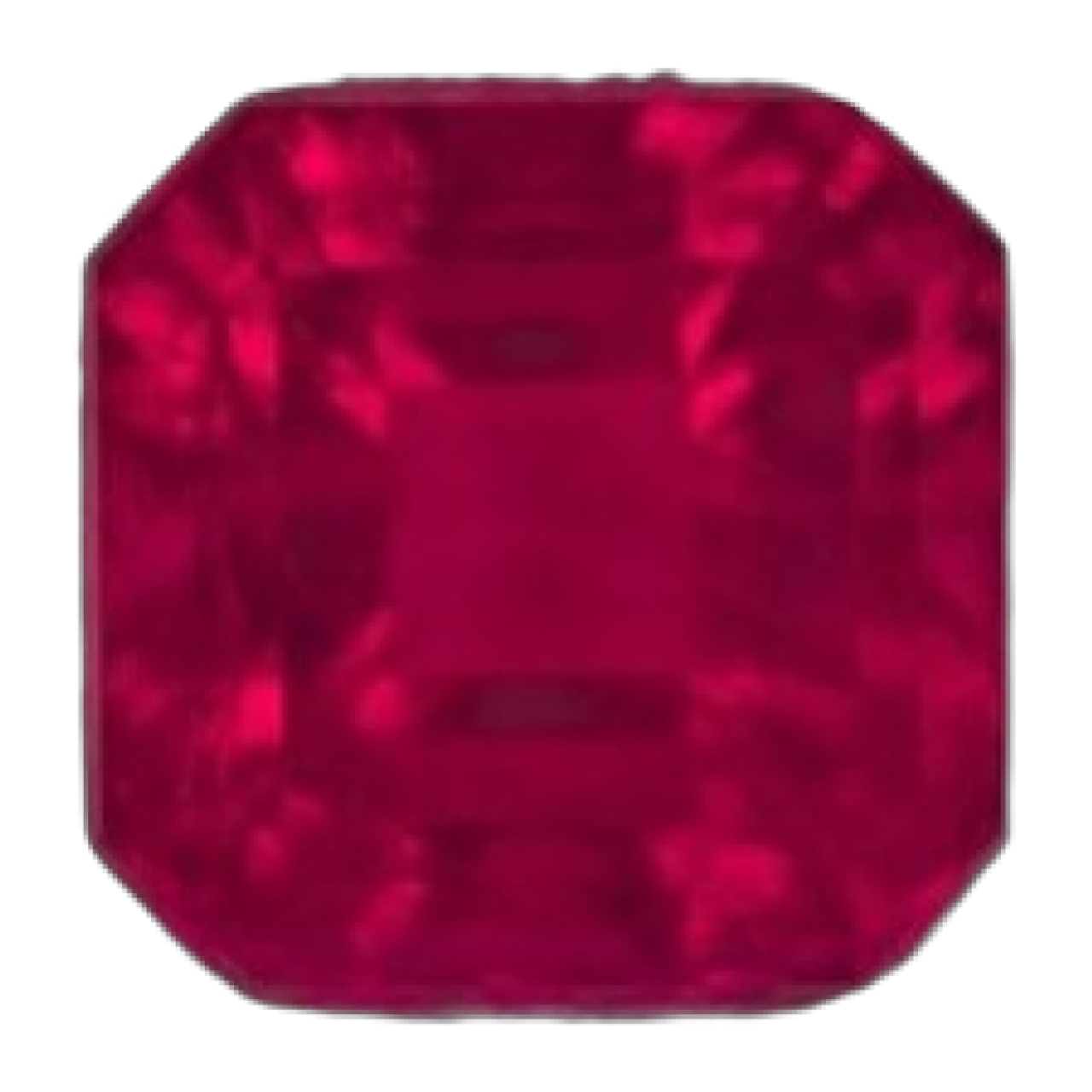
A faceted blue gemstone — stones like this arrive on the bead market cut, drilled and ready to string. Knowing what you're holding is the skill.
Gemstone beads put actual ruby, sapphire, emerald and amethyst into stringing
projects — often at prices that surprise people who only know gems from
engagement rings. But strung gems behave differently from faceted centre
stones, and a maker who understands them buys (and sells) better.
Which stones you'll actually meet on the bead market
- Corundum family — ruby and sapphire, in every colour of the rainbow
(sapphire is not only blue). Tough, wearable, beads are commonly heat-treated
— a stable, accepted treatment. - Beryl family — emerald (fragile-ish; often oiled, handle gently) and
aquamarine (durable, beachy blue). - Quartz family — amethyst, citrine, rose quartz, smoky: affordable,
hard, and the backbone of gemstone beading. - Jade — jadeite and nephrite, beloved in Southeast Asia; extremely tough
despite modest hardness. Read the
jade guide
for the jadeite/nephrite distinction.
The two rules that protect you
- Hardness for wear — anything quartz-hard (Mohs 7+) survives bracelet
duty; softer stones (Mohs 5-6) belong in necklaces and earrings where they
take less knock. - Ask about treatment — heat, dye, oiling and filling are common and
legitimate WHEN DISCLOSED. Undisclosed filling in "ruby" beads is the
classic trap; a seller who talks openly about treatment is a seller you
can trust.
Go deeper on gems — free
The school's
gem webinar replays
cover identification, treatments and trade practice — free to watch. The
gem e-book
is the written companion. When you're properly hooked, the
gemmology foundation course
turns curiosity into a certificate — see the
course directory
for where it sits.
What students say
“An institute that provides an all rounded education in jewellery.”
— Geraldine C. (Singapore) · published student feedback
“I will use the skills learnt to draw more designs for my company as we are now dealing a lot in fancy cut diamonds.”
— Darvina P. (Singapore) · published student feedback
Free ways to explore
No sign-up, no payment — start with any of these.
The school's free guide to gems — reading companion to the webinars.Free gem webinar replaysFREE
Full recorded sessions on gems and the jewellery trade.Play Name That GemFREE
The school's free gem-identification game — addictive.The complete course guideFREE
Every course, family and diploma in one PDF.
Turn beading into a certified skill
JDMIS in Singapore runs hands-on fashion jewellery and beading courses, from one-day workshops to a full Fashion Jewellery Arts diploma.
Visit jdmis.edu.sg